
The role of a family caregiver is one of profound love and dedication. However, the constant demands of caring for an elderly, ill, or disabled family member can lead to physical exhaustion and emotional burnout. This is where respite care becomes not just a service, but an essential lifeline. If you are a family caregiver in Kitengela feeling overwhelmed, or if you are looking for a meaningful career providing this crucial support, understanding respite care is the first step. This guide will explore what respite care is, its immense benefits, and how Malbag College in Kitengela is training the certified professionals who make it possible.
What is Respite Care? More Than Just a Break
This is the provision of temporary, short-term relief for primary family caregivers. It involves a trained professional stepping in to care for a loved one, allowing the primary caregiver to take a much-needed break. This break can be for a few hours, a day, or even several weeks. Think of it as a “pause button” that allows caregivers to:
- Rest and recharge their own physical and mental batteries.
- Attend to personal errands, medical appointments, or social commitments.
- Reduce stress and prevent burnout, which is crucial for sustaining long-term care.
- Maintain their own health and well-being, making them better caregivers in the long run.
Respite care is not a luxury; it is a necessary component of a sustainable and healthy caregiving plan. It ensures that both the caregiver and the care recipient are supported.
The Different Forms
It is flexible and can be tailored to fit the unique needs of each family. The main models include:
1. In-Home Respite Care:
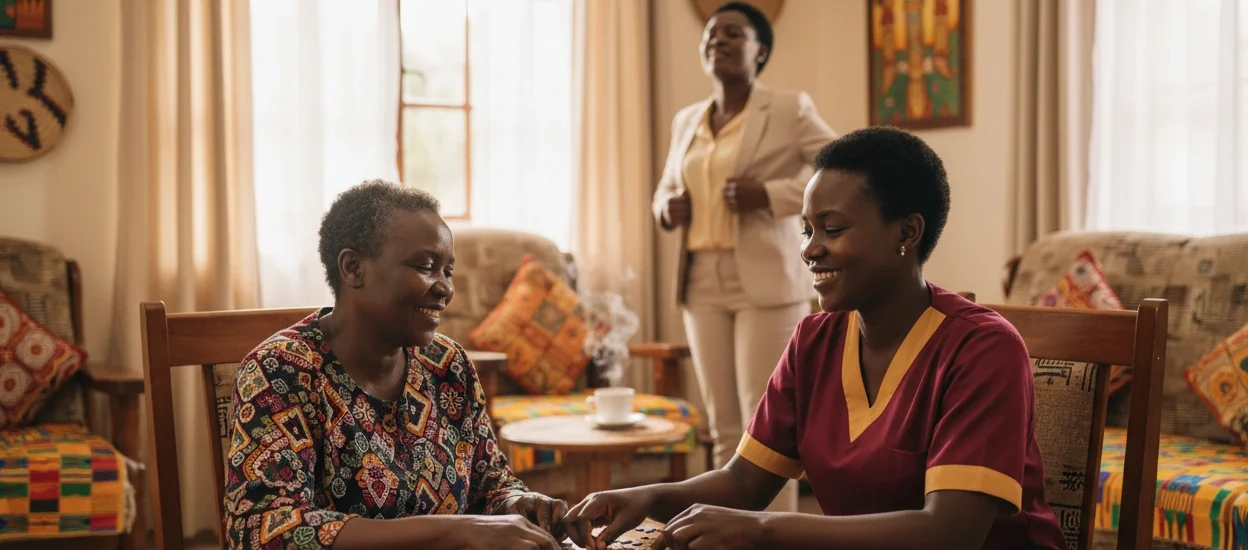
This is the most common form, where a trained respite care worker comes to the family’s home. This allows the care recipient to remain in a familiar and comfortable environment while the primary caregiver takes a break. Services can include companionship, meal preparation, medication reminders, and personal care.
2. Adult Day Care Centers:
These are community-based centers where care recipients can spend the day engaging in social activities, meals, and therapy in a group setting. This provides stimulation for the loved one and extended respite for the caregiver.
3. Short-Term Residential Respite Care:
Some assisted living facilities or nursing homes offer short-term stays. This is an ideal solution for caregivers who need a longer break, such as for a vacation or to deal with their own health issues.
The Undeniable Benefits of Respite Care
The impact of respite care extends far beyond a simple afternoon off. Its benefits are profound and multi-faceted.
For the Family Caregiver:
- Prevents Burnout: Chronic stress can lead to serious health issues for the caregiver. Respite care mitigates this risk.
- Improves Mental Health: It reduces feelings of depression, anxiety, and isolation, providing space to reconnect with oneself.
- Renewed Patience and Energy: A rested caregiver returns with more compassion and energy, improving the quality of care they provide.
For the Care Recipient:
- Social Stimulation: A new face and conversation can be incredibly enriching and prevent loneliness.
- Consistency of Care: With a trained professional, families can be assured their loved one is in safe hands, maintaining a consistent care routine.
- A Positive Change of Pace: Interaction with a different caregiver can be a positive and engaging experience.
For the Family Unit:
It allows other family relationships—with a spouse, children, or friends—to be nurtured, preserving the overall health of the family dynamic.
The Critical Need for Trained Respite Care Providers
While a family member might fill in occasionally, a professional respite care provider brings a level of skill and reliability that is indispensable. Families need to trust that the person coming into their home is not only compassionate but also competent in handling potential medical needs, mobility issues, and emergencies.
This is where formal training and certification become non-negotiable. A certified respite care worker from a reputable institution like Malbag College possesses:
- Knowledge of safe patient handling and transfer techniques.
- Skills in first aid and emergency response.
- Understanding of personal care and hygiene protocols.
- Training in communication and managing challenging behaviors.
Becoming a Certified Respite Care Provider with Malbag College
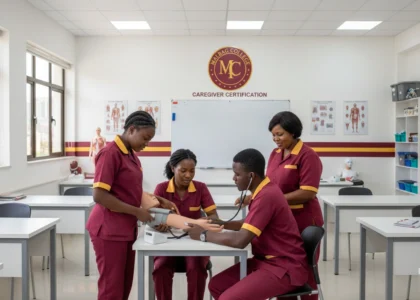
For those looking to enter this deeply rewarding field, Malbag College in Kitengela offers the perfect foundation. Our Caregiving & Healthcare Support Assistant program comprehensively covers all the skills needed to excel as a professional respite care provider. Our curriculum includes:
- Fundamentals of Elderly and Disability Care: Understanding the specific needs of care recipients.
- Safety and Emergency Procedures: First Aid, CPR, and infection control.
- Communication and Interpersonal Skills: Building rapport with both the care recipient and their family.
- Practical Hands-On Training: Real-world skills in personal care, mobility assistance, and meal preparation.
Upon graduation, you will be equipped to provide high-quality, trustworthy respite care services, offering immense value to families in the Kitengela community and beyond. We are currently offering a 10% discount on our January intake to help you start this journey.
Your Next Step Towards Balance or a New Career
Whether you are a weary caregiver in need of support or someone with a heart for service seeking a meaningful career, respite care is the answer.
For Families: Give yourself permission to rest. Seeking respite care is a sign of strength and wisdom, not failure.
For Future Caregivers: Join a profession where you are truly needed. Your compassion and training will provide a crucial service that holds families together.
Take the first step today!
📍 Visit our campus: Mash Ville Hub, Opposite Chicken Inn, Kitengela Town.
📞 Call or WhatsApp: +254 712 610 221 or +254 712 132 497
🌐 Visit our website: www.malbagint.co.ke